Croatia Travel Guide: Pag, Zadar and What It Costs in 2026
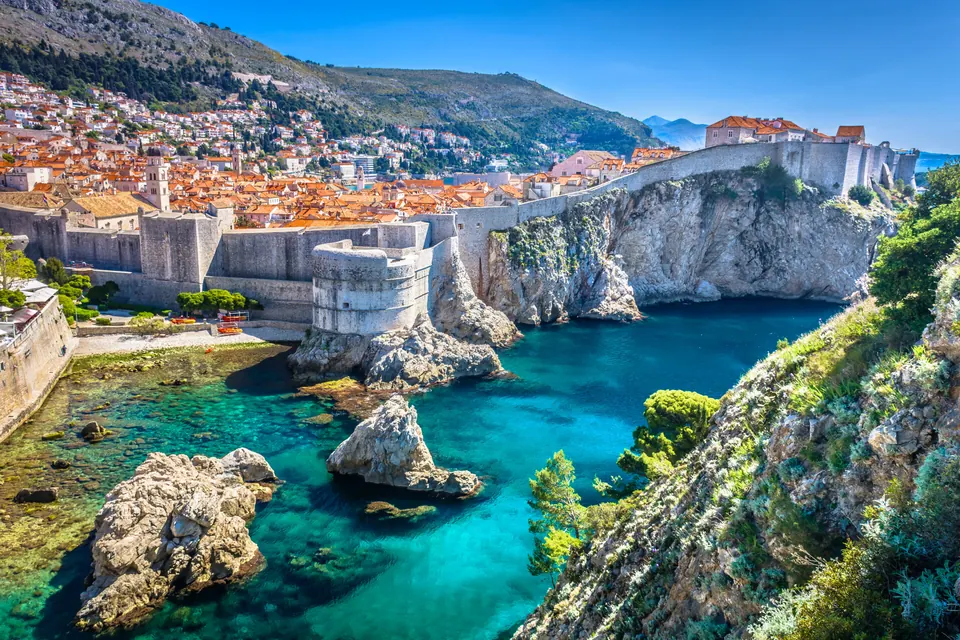
The thing I remember most about Croatia is the water on Pag. It was so clear you could see straight to the bottom. I went in 2016 with my family, my two sons and my sister, and we split our time between the island of Pag and the city of Zadar on the mainland.
This guide covers what we liked, what I'd tell a friend going now, and what things cost in 2026. A lot has changed since I first wrote this. Croatia dropped the kuna for the euro, and there are new entry rules for Americans, so all the prices below are current euro prices with links to where they come from.
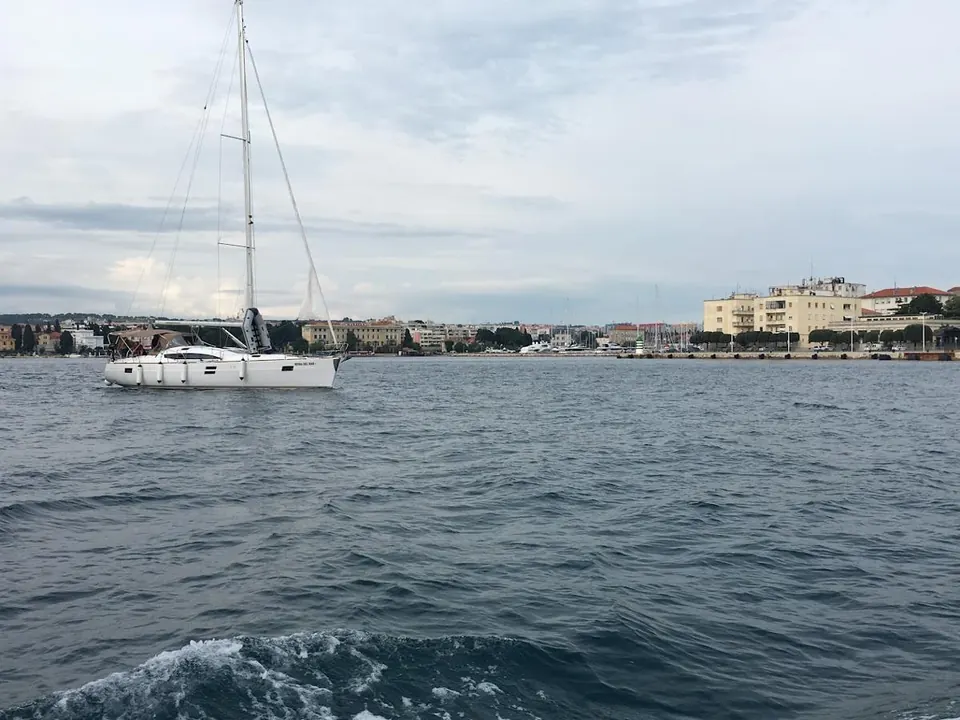
Why go to Pag?
Go for the water. Pag is a long, rocky island in the north of Dalmatia, and the water there was crystal clear. If your idea of a good day is swimming, eating local food and poking around, it's a good base.
Is Zadar worth a stop?
Yes. Exploring the old ruins was one of my favorite parts of Croatia, and Zadar's old town has Roman ruins right out in the open. You don't need a tour, you just walk around.
Is a boat tour of the islands worth it?
Yes, it was one of the most fun days of the trip. We took a boat tour around the islands, and our route went down past Murter, which is the jumping-off point for Kornati National Park. The Kornati are a big cluster of bare, rocky islands, low and almost treeless, and they look completely different from the green islands farther south.
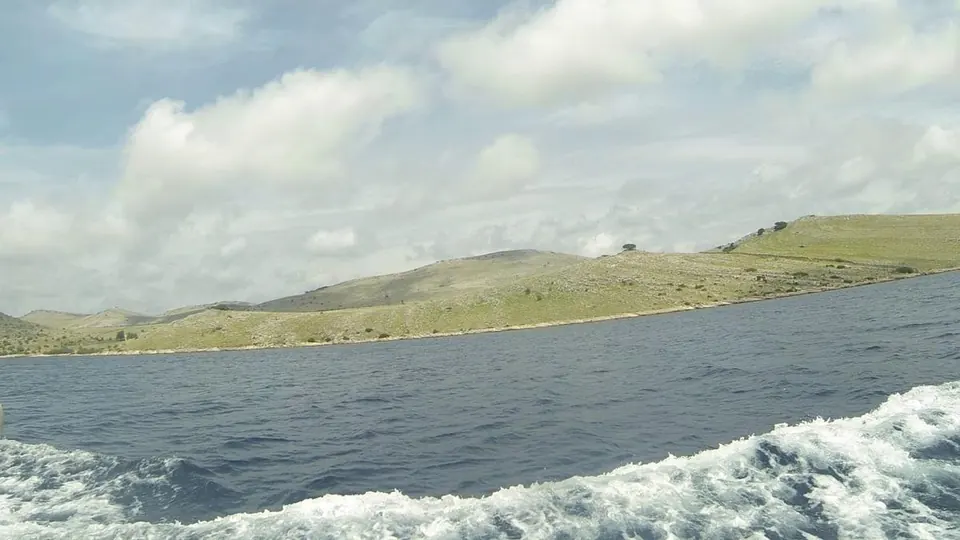
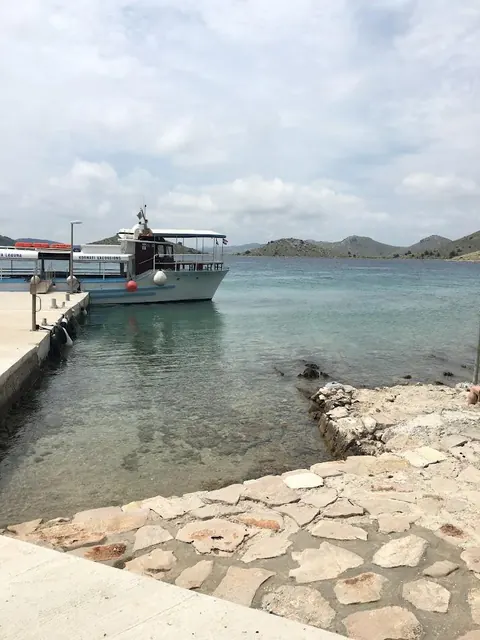
Most day trips to the Kornati leave from Murter or Zadar in the morning and get back in the late afternoon. If you're on an excursion boat, the park fee is usually built into the ticket. For 2026 it's €8 per passenger from June to September and €6 the rest of the year. If you rent your own boat, you buy a park ticket separately, and it's cheaper to buy it before you enter the park than from a ranger inside.
What's the food like in Pag and Zadar?
Honestly, it didn't blow me away. To me it was a lot like Italian food, pasta, pizza, seafood, good bread. I might be wrong, but nothing really jumped out at me as uniquely Croatian. That said, there are a few things around Pag and Zadar you won't find anywhere else, and if I went back I'd go looking for them.

The morning bread run
The first thing I noticed was that everybody goes and gets fresh bread in the morning. Croatians love their bread, and bakeries are as common as the corner store. People stop at the pekara (bakery) in the morning for a fresh loaf of kruh (bread) for the day.
If you want to do it like a local, here's what to grab:
- Burek. Flaky phyllo pastry filled with meat, cheese or potato. It's the go-to bakery breakfast, usually sold by weight and eaten hot.
- Kifle. Soft little crescent rolls, sometimes plain, sometimes with a filling.
- A coffee to go with it. Croatians take their time over coffee, so grab a table outside and don't rush it.
Pag cheese
If you only try one thing on Pag, make it Paški sir, Pag cheese. It's a hard sheep's milk cheese, and the EU protects the name, so the real thing has to come from the island. The sheep graze on rocky pastures that get blasted with salt spray from the sea when the bura wind blows, and you can taste it. It's salty and sharp, and it's great with a glass of local wine.
Pag lamb
Pag lamb (paška janjetina) is the island's other famous product, and it's protected too. Same idea as the cheese: the lambs eat the salty herbs on the island, which gives the meat its flavor. You'll usually find it roasted, either on a spit or under a peka.
Peka
Peka is one of the classic Dalmatian dishes. Meat or octopus and potatoes go into a pan, it gets covered with an iron bell, and then it's buried in hot coals and cooked slowly for hours. A lot of restaurants want you to order it ahead because it takes so long, so ask the day before.
Black risotto
Along the coast you'll see crni rižot, black risotto made with cuttlefish and its ink. It looks strange, it tastes like the sea, and it'll turn your teeth black for a bit.
Pag salt
Pag has been making sea salt for over a thousand years. Solana Pag is the biggest sea salt producer in Croatia, and a bag of it is a cheap souvenir that actually gets used.
Maraschino in Zadar
Zadar is known for maraschino, a clear cherry liqueur made from Marasca cherries. Maraska, the company that makes it, is based in Zadar. It's sweet, so a small glass is plenty.
t.What do Americans need to enter Croatia in 2026?
Croatia is in the Schengen area, so as an American you can stay up to 90 days in any 180-day period across all the Schengen countries combined, not 90 days in each one.
Two newer things to know:
- The EU Entry/Exit System has been fully running since April 10, 2026. Your first time through, expect them to take your fingerprints and photo at the border, so give yourself extra time.
- ETIAS, the travel authorization you'll eventually need to apply for online, isn't running yet as of November 2026. Check that page before you book, and only ever apply on the official EU site.
What currency does Croatia use?
The euro. Croatia switched from the kuna on January 1, 2023, so ignore any old guide (including the first version of this one) quoting prices in kuna. Cards work in most places, but keep some cash for small bakeries, markets and parking.
How much does Croatia cost?
It's not the cheap trip it used to be, especially on the coast in summer. Dubrovnik is the most expensive city. For current prices, check Numbeo's Dubrovnik page, which is crowdsourced, so treat it as a rough guide.
Most towns also charge a tourist tax per person per night, and your hotel or Airbnb adds it to the bill. In Dubrovnik's county it's €2.65 a night from April to September and €1.85 the rest of the year.
The biggest money saver is timing. August is the busiest month. May, June, September and early October are still warm, and a lot of places charge less outside summer.
What I didn't get around to
We stuck to Pag, Zadar and the islands, so I can't tell you about the rest of Croatia firsthand. These are the places I kept hearing were great and just didn't make it to. Next time.
- Plitvice Lakes. Lakes and waterfalls with wooden walkways over the water, about halfway between Zagreb and Zadar. Tickets run €10 in winter up to €40 in summer, and in summer you need to book a time slot online.
- Krka National Park. Waterfalls closer to Zadar than Plitvice, €7 to €40 depending on the season.
- Dubrovnik's city walls. About €40 in the main season.
- Split. The old town is built inside a Roman emperor's palace, and walking around it is free.
- The Roman arena in Pula. €10 to get in.